
19 February, 2026
THERMAL MANAGEMENT CHALLENGES IN ELECTRIC VEHICLE BATTERY SYSTEMS
As electric mobility accelerates worldwide, battery systems have become one of the most critical components in vehicle design. Higher energy density, faster charging capabilities and increased power demands place battery packs under growing thermal stress. Managing heat efficiently is therefore essential to ensure safety, performance and long-term durability.
Thermal management in electric vehicles is no longer a secondary consideration. It directly affects battery lifespan, operational stability and overall vehicle efficiency. Inadequate temperature control can lead to accelerated degradation, reduced range and increased safety risks, particularly in high-voltage architectures.
Heat Generation in Modern Battery Systems
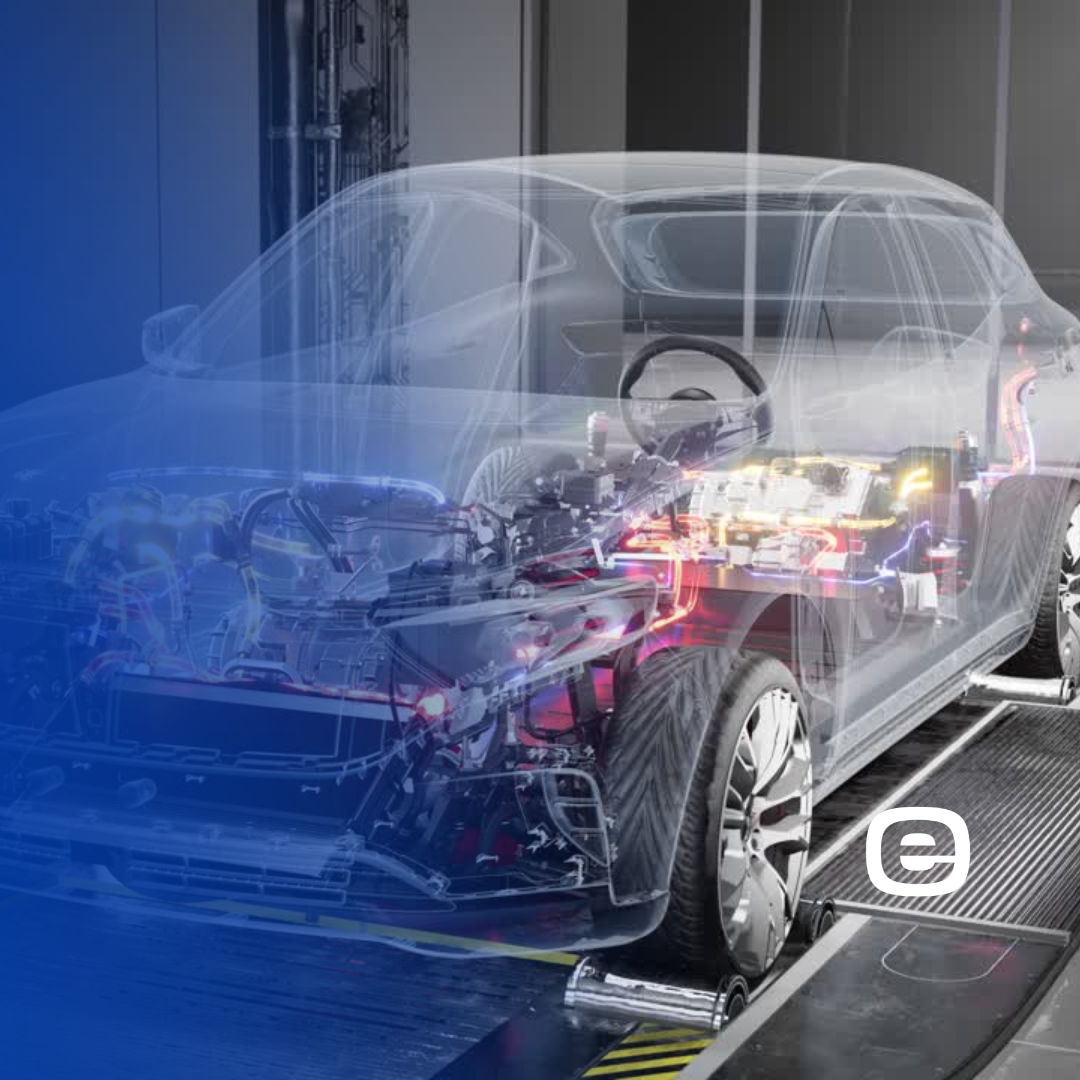
Electric vehicle batteries generate heat during charging, discharging and sustained high-load operation. Fast charging cycles intensify this effect, while external conditions such as ambient temperature further influence thermal behaviour. As battery packs increase in size and capacity, achieving uniform temperature distribution becomes more complex.
Effective thermal solutions must address multiple requirements at once. They need to dissipate heat efficiently, provide electrical insulation and maintain mechanical resistance. These functions must coexist within compact and lightweight battery designs. Advanced engineered components, such as those included in Neklar’s thermal and protective solutions for electric mobility, available through its products for electric vehicle applications, are designed to meet these combined demands under real operating conditions.
Safety and Thermal Control in High-Voltage Platforms
Thermal management plays a direct role in battery safety. Excessive heat can trigger thermal runaway, one of the most critical risks in lithium-ion battery systems. Preventing heat accumulation and limiting thermal propagation between cells are key objectives in modern battery design.
In addition to internal thermal behaviour, battery systems must also withstand external threats. Mechanical stress, vibration and potential fire exposure require materials that can maintain performance in extreme scenarios. Thermal barriers and protective layers help reduce damage and protect adjacent components.
By integrating thermal resistance with structural and protective functionality, Neklar contributes to safer high-voltage battery systems without compromising efficiency or design flexibility.
Engineering Integration and Validation
Thermal management solutions must be considered early in the vehicle development process. Component geometry, material selection and assembly methods all influence heat transfer and dissipation. These elements must align with electrical, mechanical and manufacturing constraints.
Close collaboration between OEMs, Tier 1 suppliers and engineering partners is essential. Simulation, testing and validation ensure consistent performance across different operating conditions. Through its engineering and development services for electric mobility systems, described in Neklar’s specialised services, the company supports manufacturers in optimising thermal behaviour across a wide range of battery platforms.
Thermal Management as a Foundation for Future Electric Vehicles
As electric vehicles continue to expand across global markets, expectations regarding battery performance and safety continue to rise. Regulators, manufacturers and end users demand higher reliability, improved efficiency and longer service life.
Well-designed thermal management systems help reduce cell degradation, enhance energy efficiency and support stable operation over time. They also enable scalability, allowing battery platforms to adapt to future power and charging requirements.
By focusing on integrated thermal solutions and engineered protection, Neklar supports the development of next-generation electric vehicles. As battery technologies evolve, thermal management will remain a fundamental pillar of safe, efficient and sustainable electric mobility.
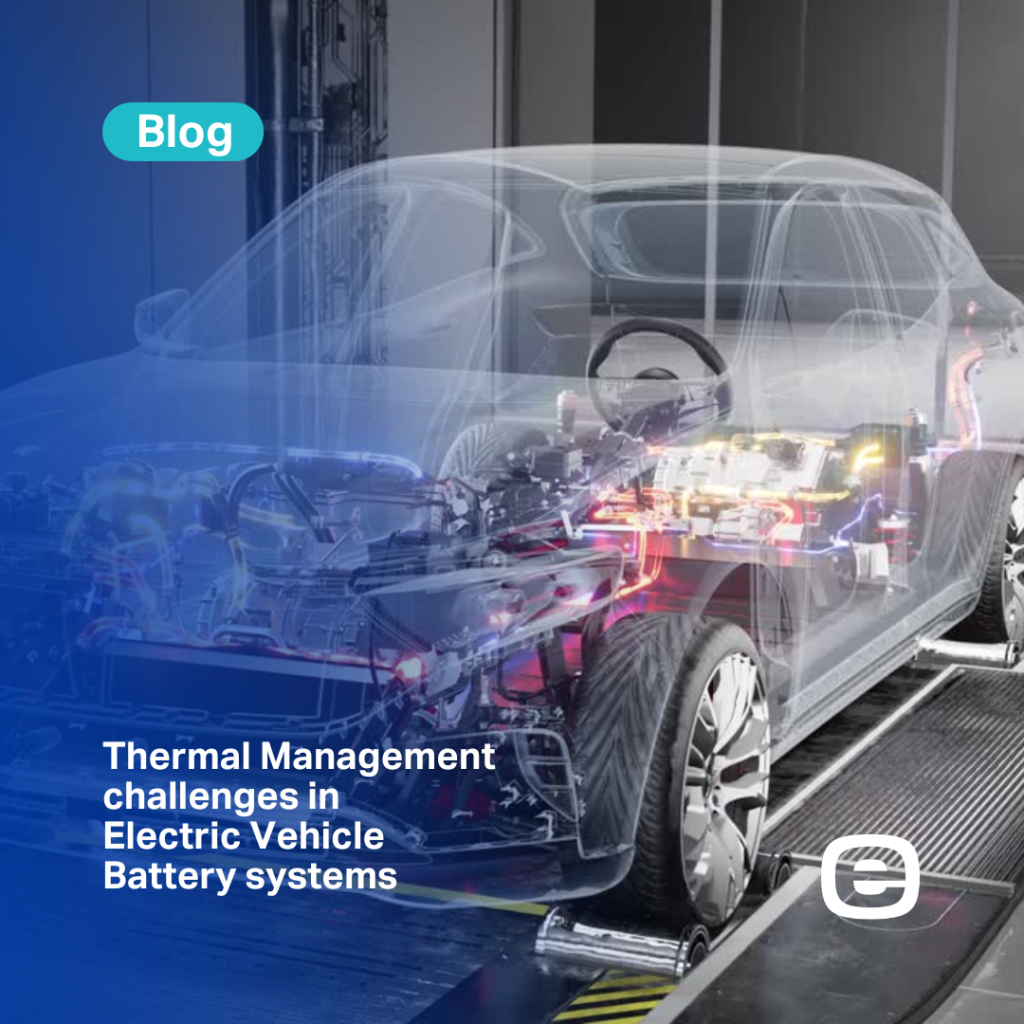
Thermal management in electric vehicles is critical for battery safety and efficiency in Europe. Discover how Neklar’s engineering and product solutions support reliable high-voltage EV platforms.